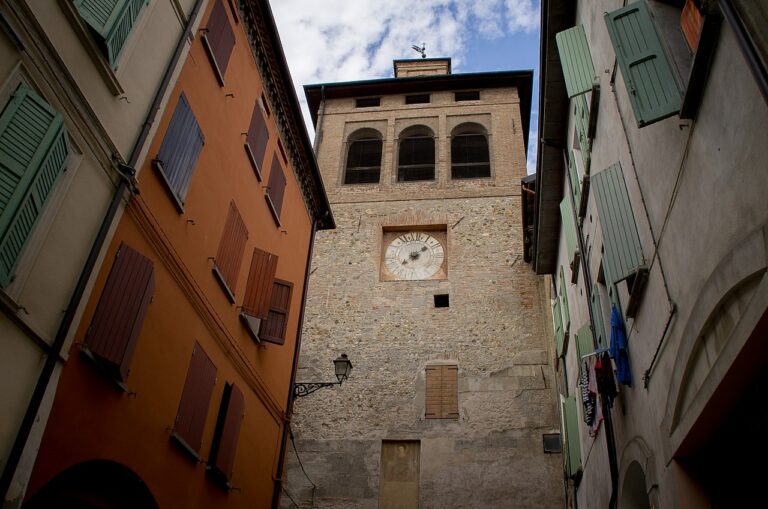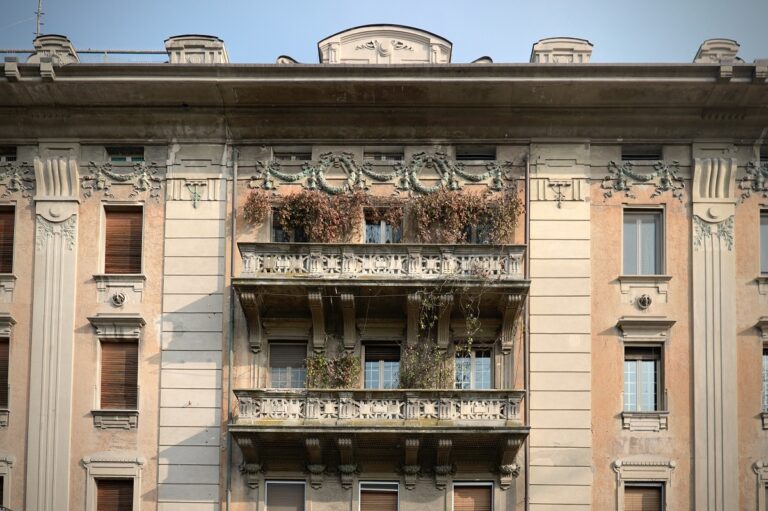
Emilia-Romagna, renowned for its history, gastronomy, and art cities, also preserves lesser-known yet equally fascinating treasures. Hidden among historic palaces, private residences, and museums off the beaten path are extraordinary art collections, ready to surprise those who choose to venture beyond traditional tourist routes. In this article, we will guide you through the discovery of five hidden collections—true artistic gems that deserve to be known and admired.
Museo Cervi | Gattatico (RE)
Located in the lowlands of the Reggio Emilia plain, between the towns of Gattatico and Campegine, the Museo Cervi is a symbolic site of Italian antifascism and the Resistance. It is housed in the farmhouse where the seven Cervi brothers lived and were arrested on November 25, 1943, before being executed in retaliation by the Nazis on December 28, 1943. Their father, Alcide Cervi, lived in the same house until 1970 and for many years welcomed visitors from all over Italy, keeping alive the memory of his sons by recounting their story and values. In addition to numerous family memorabilia, the museum preserves an important art collection that reflects the civic commitment of many artists involved in the antifascist struggle. The collection includes works by major figures of 20th-century Italian art such as Renato Guttuso, Renzo Grazzini, and Ernesto Treccani. The exhibition path is divided into three main sections: “Peasant Labor,” “Antifascism and the Resistance,” and “A Family in Memory.”
Leonardi Archive | Modena
In the Villaggio Artigiano of Modena West—the first artisan village in Italy—stands the studio-archive of Modenese architect Cesare Leonardi (1935–2021), a leading figure in the renewal of urban planning and the design of green public spaces, as well as the creator of now-iconic design objects, photographer, and sculptor. Among yellow wooden shelving units, handcrafted according to a rigorous modular system, are architectural drawings, photographic compositions, wooden models, sculptures, furniture, and prototypes of all kinds. The works fill the space and interact with objects tied to the private sphere and family roots, conveying the idea of a deep and inseparable bond between daily life and the creative process. The studio-archive can be visited by appointment or during special opening days.
CSAC | Valserena Abbey (PR)
Located on the northern outskirts of Parma, Valserena Abbey—also known as the Abbey of San Martino dei Bocci and traditionally identified with Stendhal’s Charterhouse of Parma—is a former Cistercian abbey dating back to the 13th century, featuring Gothic and Baroque elements. Since 2007, it has housed the Centro Studi e Archivio della Comunicazione (CSAC), a research center of the University of Parma founded in 1968 by Professor Arturo Carlo Quintavalle. CSAC is organized into five sections—Art, Photography, Media, Design, and Performing Arts—and preserves around 12 million items. The Art section offers a comprehensive overview of Italian artistic culture in the postwar period: from the realism of Renato Guttuso to the abstraction of Carla Accardi, Emilio Scanavino, Mario Radice, and Nicola Carrino; from the Informal movement represented by Giuseppe Santomaso and Arnaldo Pomodoro to Arte Povera with Mario Ceroli, and conceptual art with Alighiero Boetti.
Raccolta Lercaro | Bologna
In Bologna, the Raccolta Lercaro is an essential destination for art lovers. Founded in 1971, it comprises thousands of works selected not by theme but for their quality and the importance of their creators. The collection includes significant examples of ancient art, such as a plaster tondo depicting a Madonna of the Milk dating from the late 15th to early 16th century, but it focuses primarily on modern and contemporary works by key figures from the late 19th and 20th centuries. The exhibition is conceived as a dialogue between different artistic languages: from the naturalistic portraits of Giovanni Boldini and Eugenio Pellini, to the experimental power of Giacomo Balla’s Futurist postcards and the measured classicism of his pupil Emilio Ambron, through to the poetic essentialism of Giorgio Morandi and the intimate vision of the sacred—deeply connected to everyday human experience—embodied in the sculpture of Giacomo Manzù.
Fondazione Cirulli | San Lazzaro di Savena
The Massimo and Sonia Cirulli Foundation is a cultural institution dedicated to narrating and promoting Italian visual culture of the 20th century, from the birth of modernity to the years of the economic boom (1900–1970). It is housed in a landmark building of modern Italian architecture, which alone is worth a visit. Designed in 1960 by Achille and Pier Giacomo Castiglioni for Bolognese designer Dino Gavina, the building draws inspiration from the rural architecture of barns and farmhouses that still characterize the Emilia countryside. The collection includes thousands of works—vintage advertising posters, paintings, sculptures, photographs and photomontages, preparatory sketches, and design drawings—displayed on a rotating basis. The foundation’s holdings feature artists of the caliber of Giacomo Balla, Osvaldo Licini, Fortunato Depero, Mario Sironi, Lucio Fontana, Gio Ponti, and Bruno Munari, among many others.
Featured image © Fondazione Lercaro | Photo gallery (1) © Visit Modena | (2) © Artemilia | (3) © Bologna Welcome


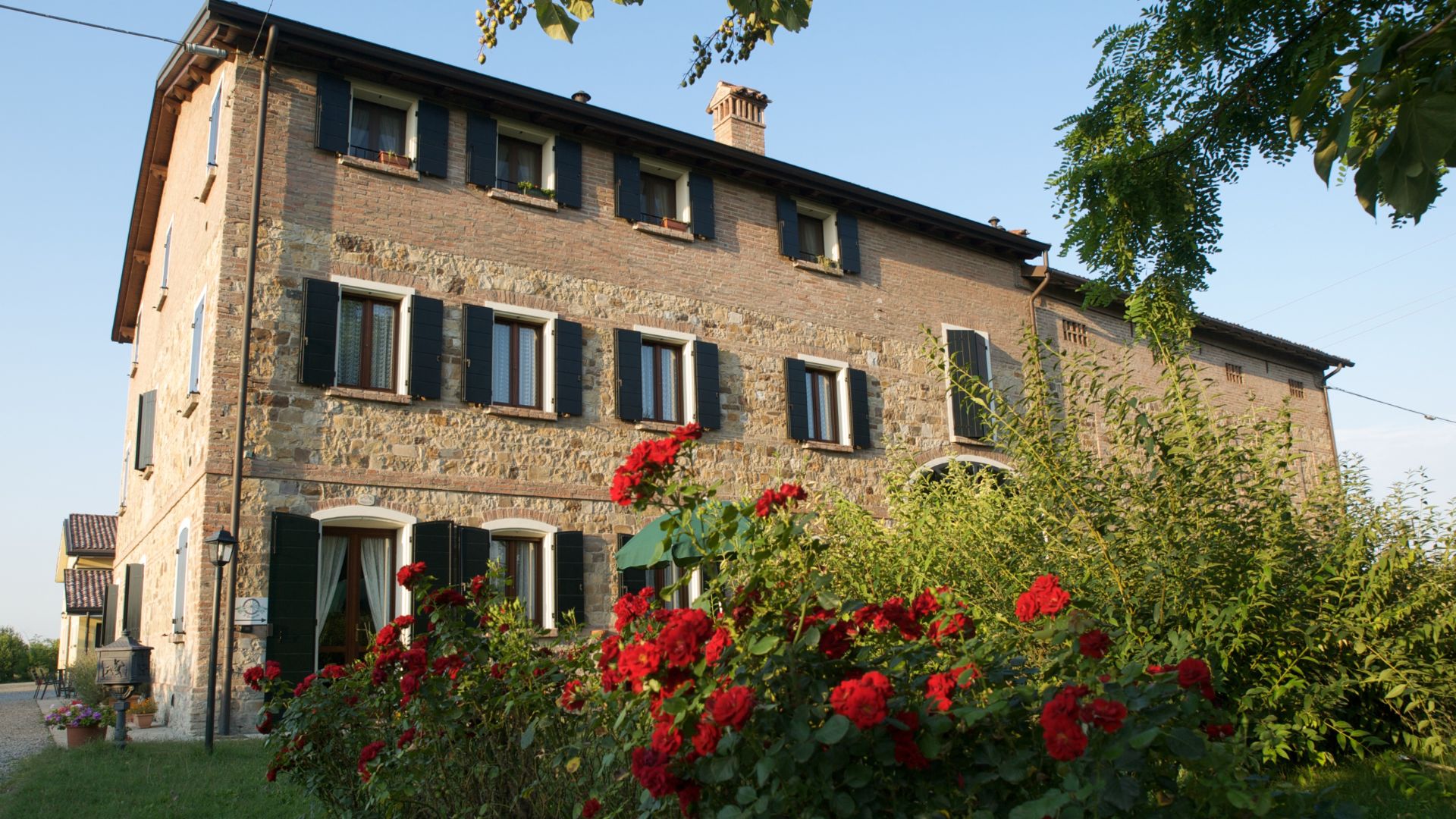
AGRITURISMO IL BRUGNOLO
Welcome to il Brugnolo
If you’re looking for completely independent apartments surrounded by greenery you really are in the right place here!
In fact, Brugnolo is immersed in the green nature of the Emilian countryside. For your relaxation, for that of your children, and again for the runs of your 4-legged friends, you will have 6000 square meters of park at your disposal!